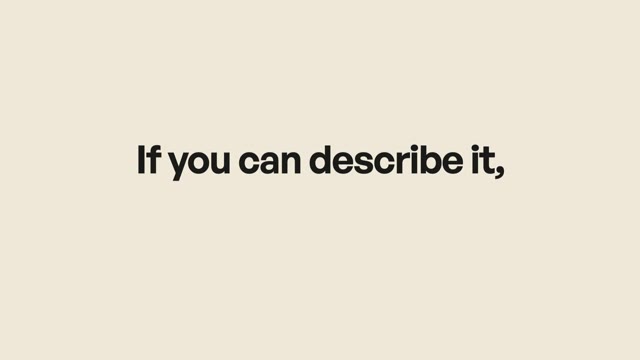
Start with the mental model.
The opening line makes the product premise plain before showing interface details.
Sley needed a first impression that avoided the usual flashy AI-demo energy. The work was to turn a simple hook, product UI, motion restraint, and brand reveal into a B2B launch asset people could understand quickly.
The video shows a clear narrative: text hook, product name, UI walkthrough, app/channel surfaces, final message, and CTA.
Embedded portfolio proof: the actual Sley launch video file from the local chat cache, copied into public preview assets.
These stills prove the video was structured around comprehension, not just motion.
The opening line makes the product premise plain before showing interface details.
The product name gets a quiet reveal instead of being buried under visuals.
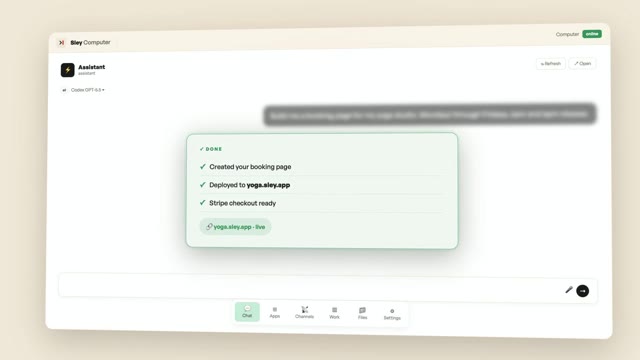
The UI shows the product responding to a described task, which supports the hook.
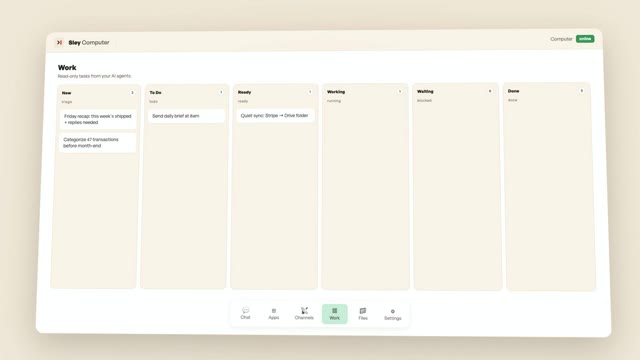
The board view shows that Sley is about operating work, not only chatting.
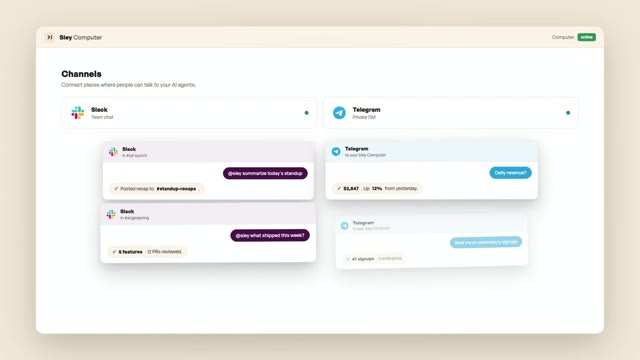
Slack and Telegram-style channels communicate practical workflow reach.
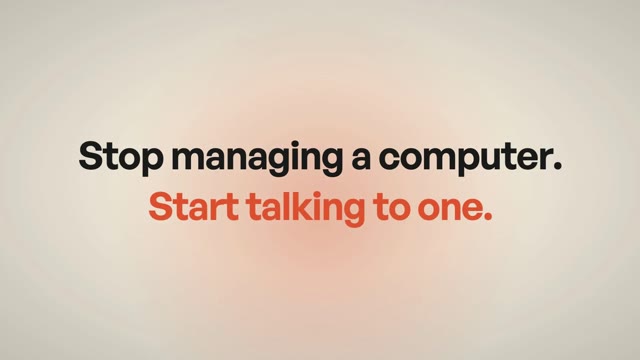
The final line turns the product into a simple promise: stop managing, start talking.
What should land first, how long to stay on the product, and when the video was ready to leave alone.
“If you can describe it” gave me a simple way to introduce Sley before showing the interface.
I moved from the assistant to the work board, apps, and channels so people could see what Sley actually does.
The product already had a lot to explain, so I avoided effects that would compete with it.
This needed to help with a launch, not turn into a motion-design showreel.
The final card simply says the whitelist is open and gives people somewhere to go.
AI helped with production. The pacing, cuts, copy, and final call were still mine to make.
I found a simple way into a technical idea, worked through the details, and shipped something the team could actually use for the launch.